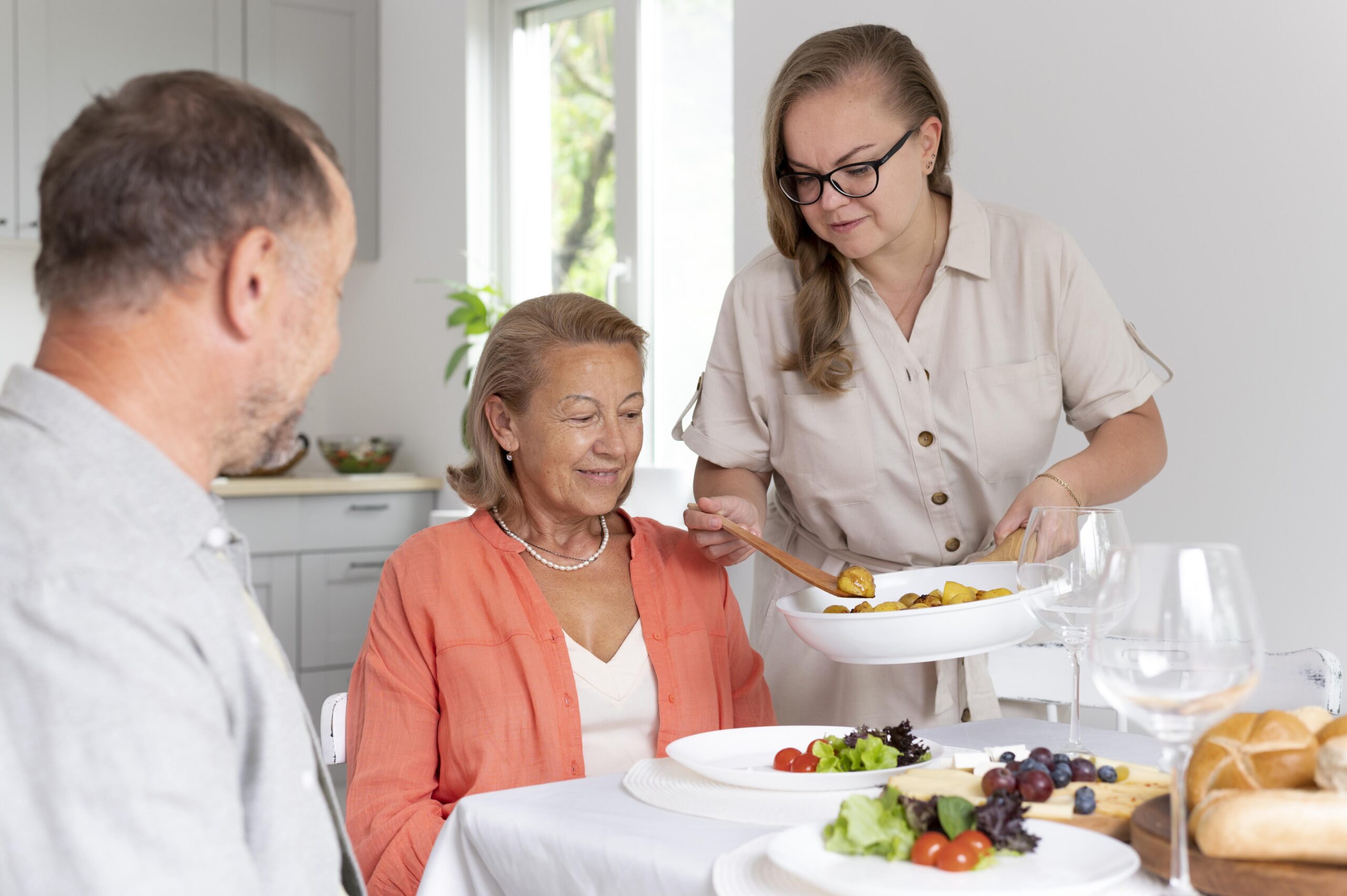

Moving to an adult family home is a big transition, especially for an older adult who is leaving a familiar home and routine. Family members can play an important role in making this change easier and helping their loved one feel comfortable, safe, and welcome in their new environment.
Bring Familiar Items From Home
Personal belongings can make a new space feel more familiar. Consider bringing favorite photographs, blankets, artwork, books, or other meaningful items. Familiar objects can provide comfort and help the new room feel more like home.
Maintain Familiar Routines
Whenever possible, continue familiar daily routines. Regular meal times, favorite activities, hobbies, and sleep schedules can provide a sense of stability during the transition.
Talk with the caregivers about your loved one’s preferences so they can help maintain routines that are important to them.
Encourage Regular Visits
Regular visits from family and friends can help reduce feelings of loneliness and uncertainty. Even short visits can make a meaningful difference, especially during the first few weeks after the move.
Phone calls and video calls can also help family members stay connected when an in-person visit isn’t possible.
Help Build Relationships
Encourage your loved one to get to know the caregivers and other residents. Friendly conversations and shared activities can help them feel more connected to their new community.
Give them time, however, as building new relationships may take some time.
Be Patient During the Adjustment
It is normal for someone to experience different emotions after moving to a new home. They may feel nervous, sad, frustrated, or uncertain at first. Be patient and give them time to adjust to their surroundings and new routine.
Listen to their concerns and reassure them that their feelings are important.
Stay Involved With Their Care
Family involvement can help make the transition smoother. Stay in communication with caregivers, ask how your loved one is adjusting, and share information about their preferences, habits, and interests.
Working together with the care team can help ensure your loved one receives personalized support.
Celebrate Small Milestones
Recognize small positive changes, such as making a new friend, participating in an activity, enjoying a meal, or becoming comfortable with a new routine. These small milestones can be encouraging and show that your loved one is gradually settling in.
Creating a Sense of Home
Feeling at home takes time. With familiar belongings, consistent routines, regular family connections, and compassionate support, an adult family home can become a comfortable and welcoming place to live.
Most importantly, give your loved one time to adjust. With patience, understanding, and continued involvement, families can help make the transition a positive experience.